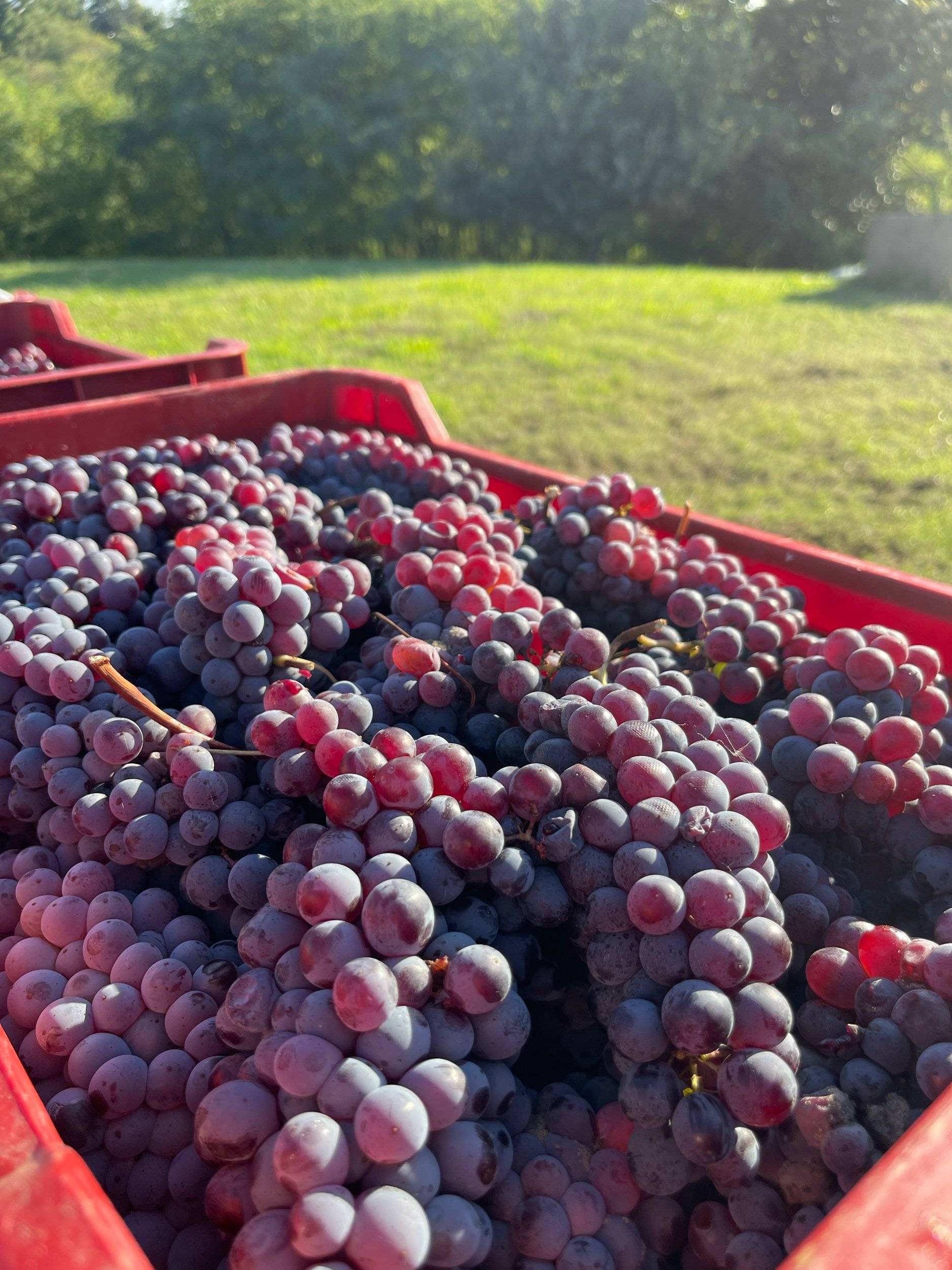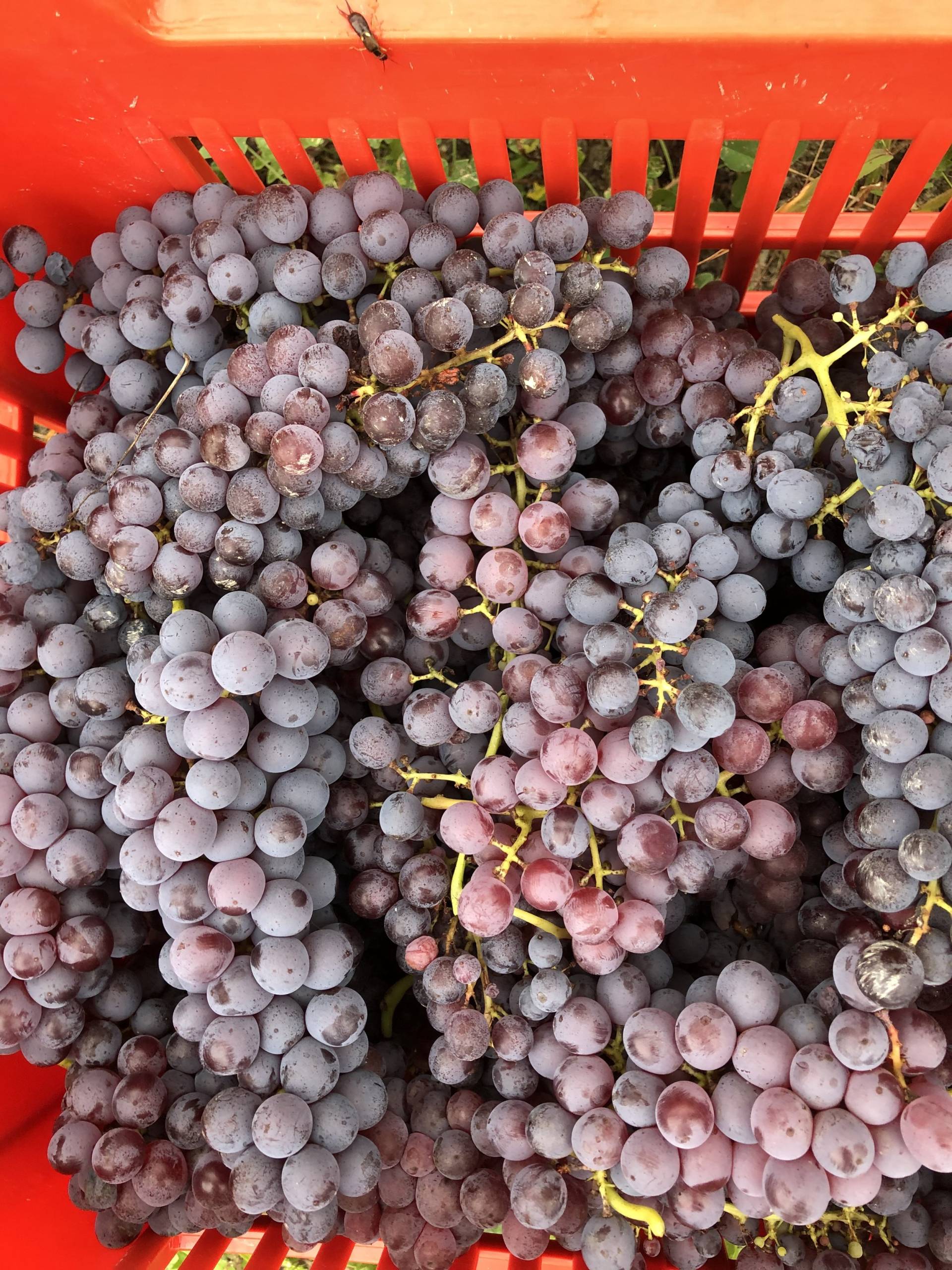


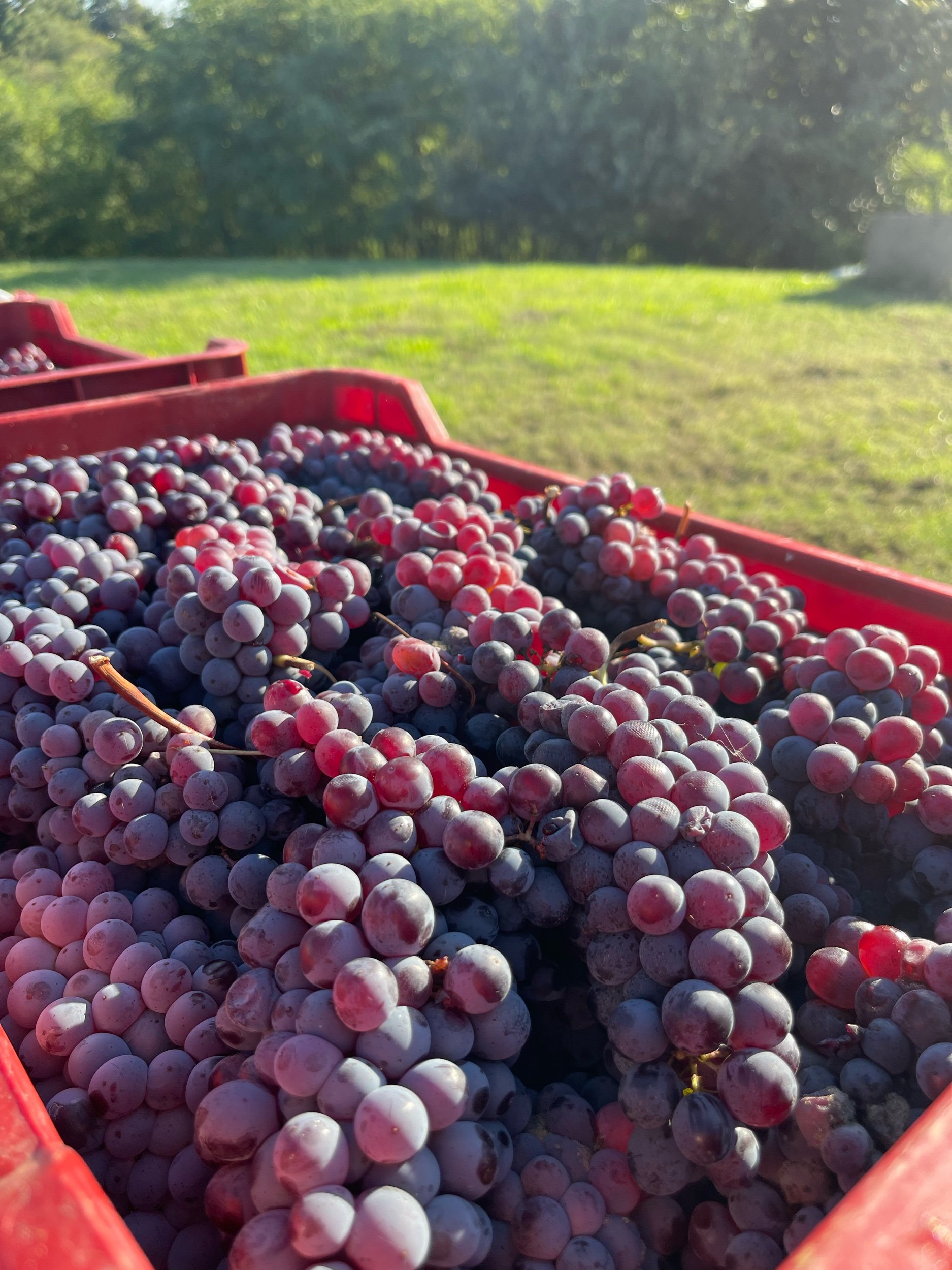
Before the arrival of Barolo on the scene, “the wine of the kings” was another one: Grignolino.
Grignolino, described as a wine with an anarchic but noble soul, was one of the favorites of the king of Italy, always on the sumptuous tables of the royal court and the Dukes of Monferrato for their dinners with the biggest personalities of Europe.
Unfortunately, as we know, trends are always changing, especially inside the spoiled world of nobles of the past. Grignolino started to be abandoned in favor of other wines, such as Barolo.
But let’s proceed in order. It was a wine expert, Enza Cavallero, who researched the history of Grignolino and wrote about it. She found that the first written document in which this variety was mentioned dates back to the 13th century. Then, in the 14th century, it appeared in the wine inventory of a monastery in Susa as “Grignolerii” wine. However, the very first mention in an ampelographic book was in the 18th century, in which the writer called it “Nebieul rosè”, probably because it is a direct descendant of Nebbiolo grape, but lighter in color.
But why isn’t Grignolino as famous as the other wines of the region? The answer lies in its more recent history. Between the 1960s and 1970s, Monferrato was a major tourist destination in Piedmont. People especially came for the restaurants. In 1961, Lidia and Guido Alciati opened, in a small basement in the village of Costigliole d’Asti, a fine restaurant that would become the first two-Michelin-starred restaurant in Piedmont. They were particularly famous for their “ravioli del plin in a napkin” (by the way, you must try them if you haven’t!).
Coming back to the wine, customers were asking for a bottle of Grignolino thinking that it was a rosé wine. In fact, this variety doesn’t give a lot of color to the wine, usually resulting in a very light-colored wine that was mistaken for a rosé. But Grignolino is the exact opposite: it’s a powerful wine with quite strong tannins that can evolve in time. Usually, the customers left the wine the first time; the second time they asked for something different. Consequently, the restaurants stopped asking producers to supply Grignolino and production began to be abandoned.
It was only recently that this wine was rediscovered and now it has two denominations: Grignolino d’Asti DOC, since 1973, and Grignolino del Monferrato Casalese DOC, since 1974.
Still, there aren’t many wineries whose main production is Grignolino, but the potential of this grape variety has been rediscovered little by little. In 2016 the Monferace Association was founded. The 12 founders chose this name because it was the ancient way of calling Monferrato during the era of Aleramico (here to read about Aleramico and the birth of Monferrato). They called Monferace a Grignolino wine that does at least 40 months of aging, of which at least 24 in wood. The idea was to restore the importance of the great Grignolino loved by the nobility of the past. Note that this is a wine that will give its best after some years of resting: the tannins will soften and the wine will become elegant on the nose and palate.
Talking more technically about Grignolino, the name comes from the fact that the grapes have more seeds, “grignole” in the local dialect, than the other varieties of the area. The great number of seeds makes it difficult to vinify, because while pressing the grapes, the wine producer has to be really careful not to crush all of the seeds, which could result in a bitter taste.
Another theory about the name Grignolino suggests that it may come from the local dialect word “grignè”, which means laughing. A sort of expression like a smile appears on the face of whoever drinks a glass of Grignolino, because of the strong tannins.
As said before, the color of the wine is very light. This is because of the instability of the grape during maturation: the single berries in a bunch are not able to achieve the same coloration during this process. Because of this, it is permitted by the disciplinary rules to add a small percentage of another wine in order to produce Grignolino.
But let’s talk more specifically about the two denominations.
Grignolino d’Asti DOC
Area of production: 35 municipalities in the province of Asti.
Grapes: 90% to 100% Grignolino and no more than 10% Freisa, in order to give more color to the final product without changing its nature.
Color: Light ruby red.
Nose: Delicate fruity notes, especially red fruits, underbrush and, in the end, hints of white pepper.
Palate: Austere and elegant, slightly astringent because of the tannins, with a nicely bitter finish.
Grignolino del Monferrato Casalese DOC
Area of production: 29 municipalities around the city of Casale Monferrato, about one hour west of Turin.
Grapes: 95% to 100% Grignolino and no more than 5% Freisa and Barbera, alone or blended.
Color: Light ruby red with orange reflections.
Nose: Fruit-forward, fresh, with a persistent note of dried fruit, especially peanut.
Palate: Dry and fresh, with a pleasantly bitter finish.
Aging: From 1 to 2 years. It is also possible to produce a riserva, which must be aged from 3 to 6 years.